Recovering from a stroke is often a long and deeply personal journey. For many individuals and families, the days and weeks after a stroke bring uncertainty about what comes next and how recovery will unfold. A skilled nursing facility (SNF) can play an important role in this process, offering structured, compassionate care designed to help patients regain strength, communication skills, and independence. Patients and caregivers also receive education on assistive devices, managing stroke risk factors and chronic health conditions, and strategies to support long-term recovery.
Whether you are a caregiver or a stroke survivor, understanding what happens during stroke rehabilitation can help you feel more prepared and supported during this stage of recovery.
Understanding Stroke Recovery
A stroke occurs when blood flow to the brain is interrupted, either by a blockage (ischemic stroke) or bleeding in the brain. The effects of a stroke vary widely depending on the area of the brain affected and how quickly treatment begins, and rehabilitation is often needed to regain lost abilities such as movement, speech, or cognition. ¹
Neuro recovery does not follow a single path. Some people recover quickly, while others need months of structured therapy. This is where a skilled nursing facility can provide essential support through a coordinated rehabilitation program tailored to individual needs.
Why Choose a Skilled Nursing Facility for Stroke Patients?
After a hospital stay, many patients are not yet ready to return home safely. A SNF or nursing home that offers rehabilitation services provides a bridge between acute hospital care and living independently.
Selecting the right rehabilitation facilities depends on the patient’s medical stability, level of function, and therapy needs, especially when ongoing medical monitoring is required.²
A SNF-based rehab team typically includes:
- Physical therapists who focus on strength, balance, and mobility
- An occupational therapist who helps patients relearn daily activities such as dressing or eating
- Speech therapy professionals who address swallowing and communication challenges
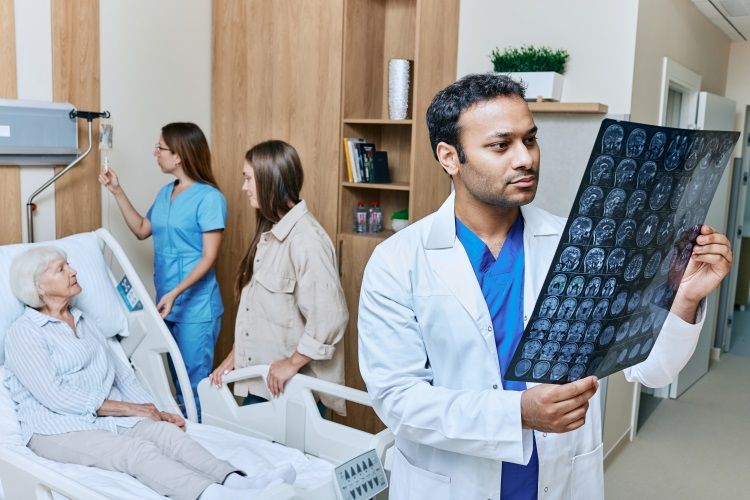
- Nurses, physicians, and physiatrists (physical medicine and rehabilitation specialists) who oversee medical care, manage medications and chronic conditions, coordinate rehabilitation, and guide the physical recovery process
- Registered dietitians who help support healing through proper nutrition, address swallowing-related dietary needs, and provide guidance on heart-healthy eating and other lifestyle changes that can reduce the risk of another stroke
- Respiratory therapists, in some facilities, who help optimize breathing, reduce the risk of respiratory complications such as pneumonia, and support overall lung health
- Social workers and care coordinators who support discharge planning and emotional well-being
Together, this care team builds a structured plan that adjusts as the patient progresses.
What Happens During Stroke Rehabilitation?
Every patient’s experience is different, but most inpatient rehabilitation programs in a SNF follow a consistent structure designed to promote steady progress.
1. Initial Assessment
When a stroke patient arrives, the rehab team performs a full evaluation. This includes:
- Mobility and strength testing
- Cognitive and communication screening
- Swallowing and nutritional assessments
- Review of medical history, current medications, ongoing medical conditions, and treatment plans
This assessment helps determine the intensity and focus of therapy.
2. Personalized Therapy Plan
Once assessments are complete, the rehabilitation program is tailored to the patient’s specific needs. For example:
- A patient with mobility challenges may focus heavily on physical therapy
- Someone with speech difficulty may require intensive speech and language therapy
- Patients with limited hand function may prioritize occupational therapy for fine motor skills
The goal is to rebuild independence step by step, with realistic milestones. The rehabilitation plan also focuses on managing existing medical conditions and preventing complications such as poor nutrition, skin breakdown, blood clots, infections, and other health issues that can interfere with recovery.
3. Therapy Sessions
Therapy schedules in a skilled nursing facility are personalized based on each patient's needs, tolerance, endurance, and clinical goals. Some stroke survivors may participate in therapy multiple times a day, while others follow a schedule spread throughout the week, depending on what is most appropriate for their recovery.
Consistency remains an important part of the process. Research shows that early and repetitive rehabilitation activities can help improve functional outcomes after stroke, particularly when started soon after medical stabilization.
The Role of Each Therapy Type
Physical Therapy
Physical therapy focuses on restoring movement and balance. Patients may work on:
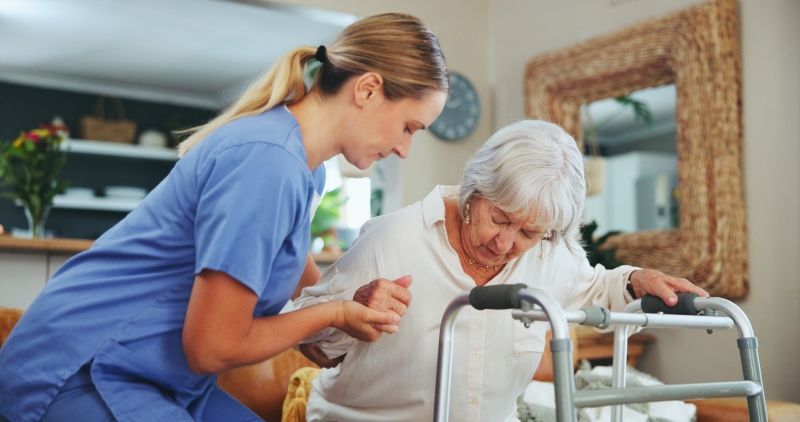
- Standing and transferring safely
- Walking with or without assistance
- Strengthening weakened limbs
- Preventing falls
Even small improvements, like standing independently, can be major milestones in recovery.
Occupational Therapy
An occupational therapist helps patients regain the ability to complete everyday tasks. This may include:
- Dressing and grooming
- Bathing and personal hygiene
- Cooking or light household tasks
- Using adaptive equipment
Occupational therapy often bridges the gap between clinical recovery and real-world independence.
Speech Therapy
Speech therapy addresses both communication and swallowing challenges. After a stroke, some patients experience aphasia or difficulty forming words, while others may struggle with swallowing safely.
Therapy may focus on:
- Rebuilding speech and language abilities
- Improving comprehension and expression
- Strengthening swallowing muscles
- Using alternative communication methods when needed
The Emotional Side of Recovery
Recovery is not only physical. Stroke survivors and their families often experience frustration, fatigue, anxiety, or mood changes as they adjust to life after a stroke. These emotional challenges are common and are a normal part of the healing process.
A strong care team in a skilled nursing facility also supports the emotional well-being of both patients and their families by:
- Encouraging small achievements and celebrating progress
- Offering counseling or social work support
- Involving family members in care planning and education
- Creating structured daily routines that promote stability and confidence
- Helping caregivers feel informed, prepared, and calm as they support their loved one's recovery
Families play an important role throughout rehabilitation. A calm, supportive caregiver can help reinforce therapy goals, encourage participation, and provide reassurance during recovery. Even simple visits, words of encouragement, and celebrating milestones together can strengthen motivation and emotional resilience.
Advances in Stroke Rehabilitation Care
Stroke care continues to evolve. The American Heart Association recently introduced a Stroke Rehabilitation Certification for skilled nursing facilities to help improve consistency and quality of care nationwide. This initiative is designed to ensure that health care providers in SNFs follow evidence-based practices and maintain strong rehabilitation outcomes.
These advancements reflect a growing recognition that high-quality rehabilitation can make a meaningful difference in long-term recovery for stroke survivors. ³
Preparing for Discharge and Life After Rehab
A major goal of any SNF-based rehabilitation program is safe discharge, whether that means returning home or transitioning to another level of care.
Before discharge, the rehab team typically:
- Evaluates home safety needs
- Recommends mobility equipment like walkers or wheelchairs
- Provides caregiver training
- Coordinates follow-up therapy or outpatient services
This transition planning is essential for preventing readmission and supporting long-term recovery.
Final Thoughts
Stroke recovery takes time, patience, and coordinated care. A skilled nursing facility offers a structured environment where medical support and rehabilitation work together to help patients regain independence at their own pace.
While every recovery journey is different, the combination of physical therapy, occupational therapy, and speech therapy within a supportive rehabilitation program gives stroke patients a strong foundation for progress. With the right care team and consistent effort, meaningful improvement is possible at every stage of recovery.
Get in Touch
Learn more about how NeuroGen at Riverside supports personalized care for patients in Jacksonville , FL. Contact us today to schedule a tour or speak with a member of our care team.